
Understanding Codependency in Co-Parenting: Signs and Solutions
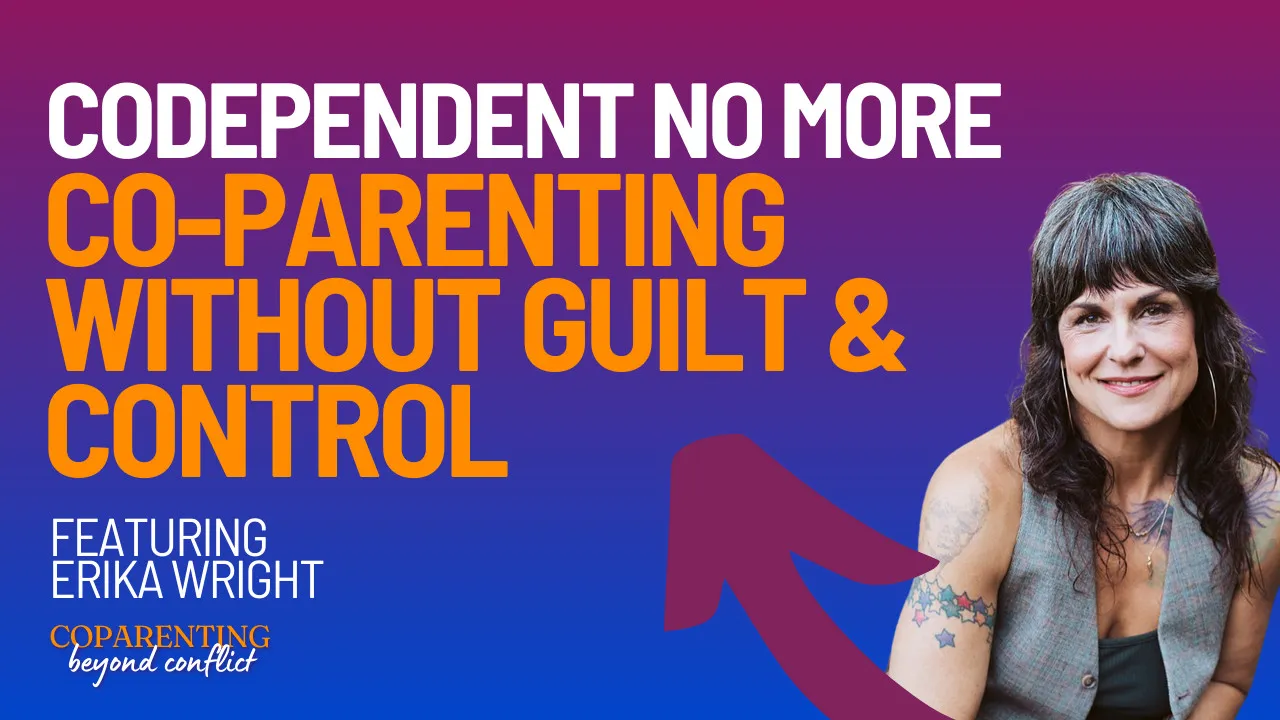
In a recent episode of the Coparenting Beyond Conflict podcast, I had the pleasure of interviewing Erika Wright, the founder of Healing Codependency. Known for her direct and compassionate approach, Erika brings a wealth of personal experience and unique perspectives to the complex issue of codependency, especially within the context of coparenting. During the episode, Erika shared her journey from struggling with codependent relationships to establishing Healing Codependency, a platform dedicated to helping individuals break free from unhealthy patterns.
We explored the nuances of codependency, particularly how it can manifest in coparenting dynamics. Erika emphasized the importance of self-awareness and personal growth in creating healthier co-parenting relationships. She explained that many individuals may not even realize they are in a codependent cycle, often prioritizing their partner’s needs over their own or caretaking. This can lead to resentment and emotional burnout, ultimately affecting the well-being of both parents and their children.
Our conversation also touched on practical strategies for breaking the cycle of codependency. Erika highlighted the significance of setting boundaries—both with oneself and with the other parent. She provided listeners with actionable tips on how to communicate effectively, prioritize self-care, develop a better sense of self, and recognize the signs of codependent behaviors.
Watch the episode and clips
A Journey Through Parent Codependency
Erika’s journey into understanding and teaching about codependency is deeply personal. Born into a family with intense codependent dynamics, her path was carved through personal trials, including the pivotal moment of having to remove her struggling alcoholic brother from her home. This led her to a profound realization about her life’s purpose centered around educating others about codependency.
“I really got the clue that this was what I was born to do when, during the pandemic, I had to kick my then struggling alcoholic brother out of my house, which was a huge turning point for me.”
Defining the Codependent Parent
Erika expands the traditional definition of codependency, describing it as both manipulation of one’s own emotional state and that of others. She links this condition to broader societal structures like white supremacy, colonialism, and patriarchy, illustrating how these systems perpetuate disempowerment and codependent behaviors. Says Erika:
“Codependency has made itself known to me and available is it’s the byproduct of hundreds of years of systems that have ended up being very oppressive, like white supremacy, organized religion, settlerism, colonialism, patriarchy, capitalism…”
Codependency in Coparenting
In the context of coparenting, codependency can manifest in numerous ways. Erika points out that codependent coparents may manipulate emotions to control situations or responses from their ex-partner to get their needs met, often unconsciously: “It is manipulation and control of someone else’s feeling states and the manipulation and control of your own feeling states.” This behavior stems from deeply ingrained societal norms and personal upbringing, reflecting patterns handed down across generations.
Transforming Relationships Through Self-Awareness
A crucial part of overcoming codependency, according to Erika, involves embracing vulnerability and truth. She emphasizes the importance of recognizing one’s own innocence in the dynamics of codependency, which can foster a more compassionate approach to both self and others. In the coparenting relationship, this means accepting the ongoing changes in oneself and the ex-partner, which can lead to healthier interactions and a more stable environment for the children involved.
Non-Codependency as a Path Forward
Moving towards a non-codependent relationship requires honesty and vulnerability. Erika suggests that by telling the truth consistently, individuals can start to dismantle the structures of codependency within themselves, leading to healthier personal relationships and, by extension, more effective coparenting.
“Moving towards a non-codependent relationship requires honesty and vulnerability. Telling the truth consistently can start to dismantle the structures of codependency.”
Listeners may be particularly moved by Erika’s insights on forgiveness and compassion, not only toward the other parent but also toward oneself. She stressed that healing from codependency is a journey, one that requires patience, commitment, and emotional support. We also discussed the role of therapy and support groups, encouraging those struggling with codependency to seek help and connect with others who understand their experiences.
Practical Advice for Coparents
Erika offers actionable advice for coparents striving to escape the cycle of codependency. She advocates for maintaining presence in the current reality of the relationship, rather than drawing on past conflicts or patterns. This approach helps coparents navigate their evolving roles post-divorce and supports the emotional well-being of all parties, especially the children.
“The way I tell people, it’s like being deconditioned from a cult… tell the truth all the time and never lie.”
FAQ: Breaking the Cycle with Erika Wright
What is the definition of a codependent parent?
According to Erika Wright, founder of Healing Codependency, a codependent parent is someone who unconsciously manipulates their own emotions—and often the emotions of others—to maintain a sense of safety or control. In co-parenting, this often looks like “caretaking” the ex-partner (fixing their mistakes, soothing their anger) at the expense of one’s own well-being.
How does codependency affect co-parenting?
Codependency creates a dynamic where you are overly focused on your ex’s reaction rather than your own stability. You might agree to schedule changes you don’t want, fear their anger, or try to “manage” their relationship with the children to prevent conflict. This leads to burnout and resentment, preventing a truly non-codependent relationship.
Who is Erika Wright?
Erika Wright is a codependency expert and the founder of Healing Codependency. She helps individuals break free from the societal and familial patterns of people-pleasing and self-abandonment. Her work is particularly powerful for co-parents trying to disentangle their self-worth from their former partner.
How do I stop being codependent with my ex?
The first step is what Erika calls “telling the truth”—acknowledging your own needs instead of suppressing them to keep the peace. Practical steps include:
- Setting Boundaries: Stop fixing their problems.
- Using Tools: Use apps like BestInterest to create a buffer, allowing you to respond to facts rather than managing their emotions.
- Self-Focus: Shift your energy from “What are they doing?” to “What do I need right now?”
Break The Cycle of Codependency
As the episode wrapped up, Erika offered words of encouragement for anyone navigating the challenges of coparenting while dealing with codependency and the importance of breaking the cycle with parenting. They reminded listeners that healing is possible and that by fostering self-awareness and establishing healthier boundaries, parents can create a more harmonious environment for themselves and their children.
Erika Wright’s insights shed light on the pervasive influence of codependency in coparenting and provide a roadmap for those looking to foster healthier relationships. By understanding the roots and manifestations of codependency, coparents can begin to cultivate a more empowering and affirming environment for themselves and their children.
This episode not only highlights the complexities of codependency in coparenting but also offers hope and guidance for those seeking to improve their familial dynamics. As always, Coparenting Beyond Conflict continues to serve as a vital resource for parents navigating the challenges of raising children in two homes, especially those facing high conflict dynamics.
Listeners can connect with Erika Wright and explore her resources on her website, detailed in the podcast, and can also try the BestInterest app, to support healthier coparenting communication.