Navigating Divorce: Grandparents and Extended Family
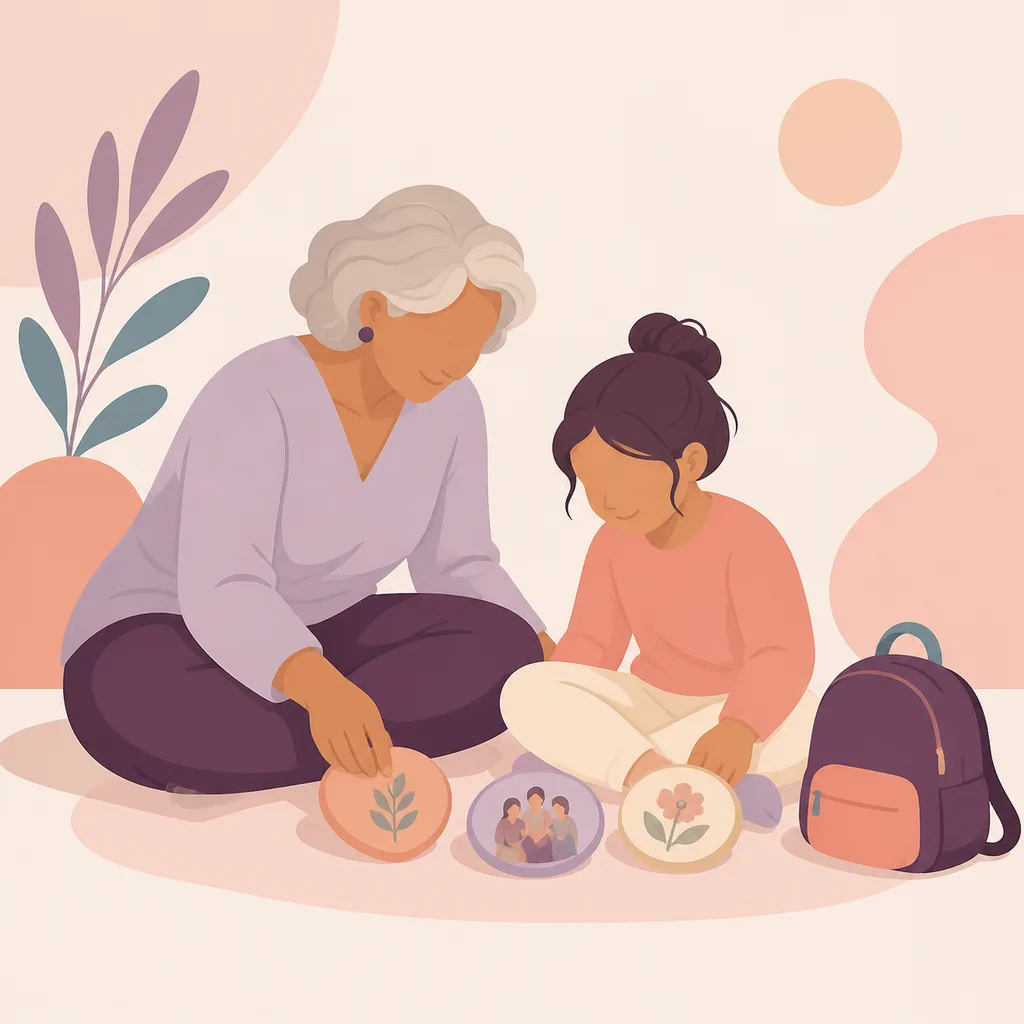
Divorce reshapes extended-family relationships too. Recognize grandparents' emotional struggle, communicate openly while respecting boundaries, and protect your kids' relationships with both sides of the family. Patience and support — for them and for yourself — keep those bonds intact.
Hello Fellow Coparent,
Divorce isn’t just tough on parents and children; it deeply impacts grandparents and extended family members as well. Often overlooked in discussions about family transitions, these relationships can become strained or even severed if not handled with care. Grandparents might struggle with their own emotions, navigate the desire to stay neutral, or face the challenge of managing loyalties. This article explores how divorce affects extended families and provides practical strategies to handle these relationships with empathy and understanding.
Recognize Their Emotional Struggle
Grandparents often form deep bonds with both parents and children. When a divorce occurs, they may feel a profound sense of loss, not just for the family unit but for their envisioned role in their grandchildren’s lives. They might grieve the separation of their child from their partner, whom they may also have grown close to.
Some grandparents experience confusion or even guilt, wondering if they could have done something to prevent the split. These feelings can lead to awkward interactions or strained relationships. Acknowledge this emotional burden and understand that they may need time to process their feelings just like everyone else.
Communicate Openly, But Respect Boundaries
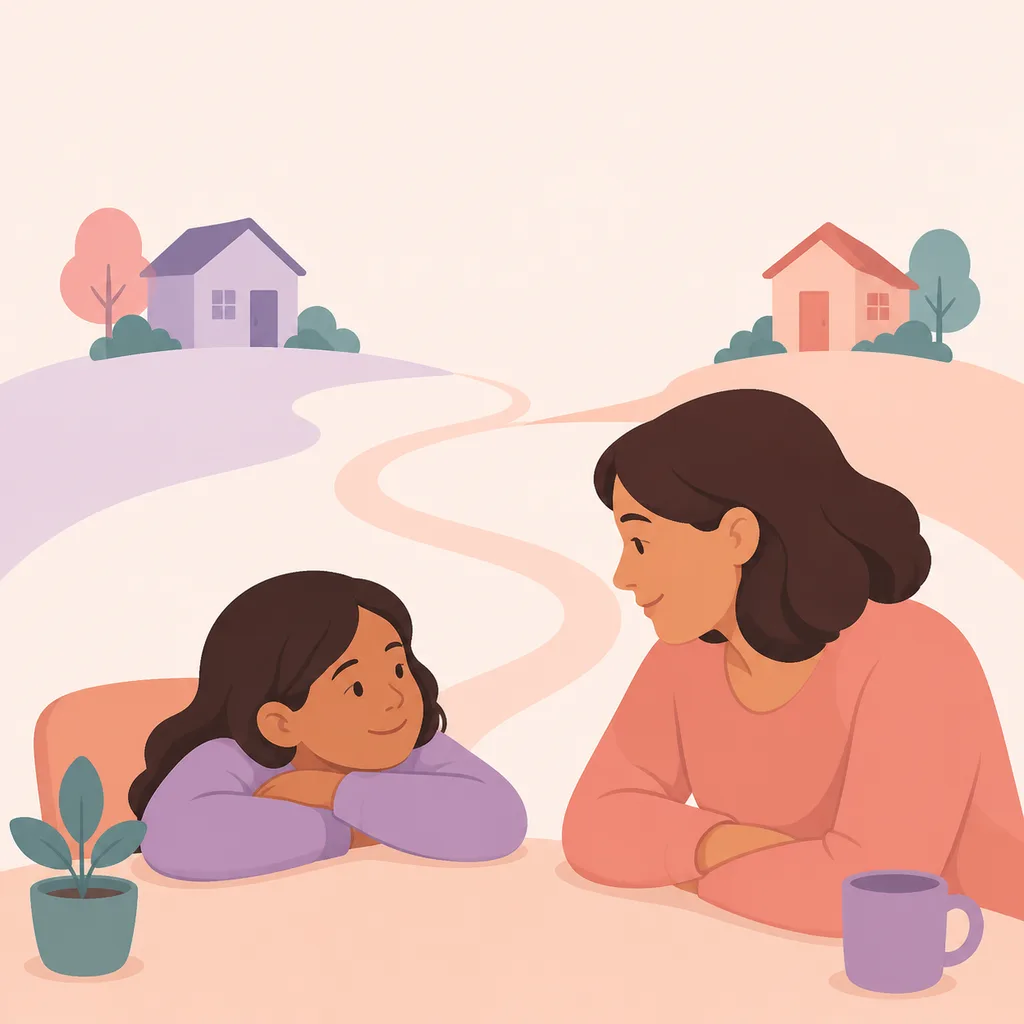
Clear, empathetic communication with grandparents and extended family members is essential. Share age-appropriate details about the divorce so they understand the changes happening in the family dynamic. Let them know how their support can positively influence the children during this transition.
At the same time, respect their need for neutrality. Grandparents may feel torn between their loyalties, wanting to maintain relationships with both parents without taking sides. Forcing them to align with one parent can lead to unnecessary tension and hurt feelings.
Example: If your mother expresses worry about overstepping boundaries, reassure her by saying, “Your love and support for the kids mean everything. We don’t expect you to take sides, just to keep being a loving grandma.”
Focus on the Kids’ Relationships with Their Grandparents
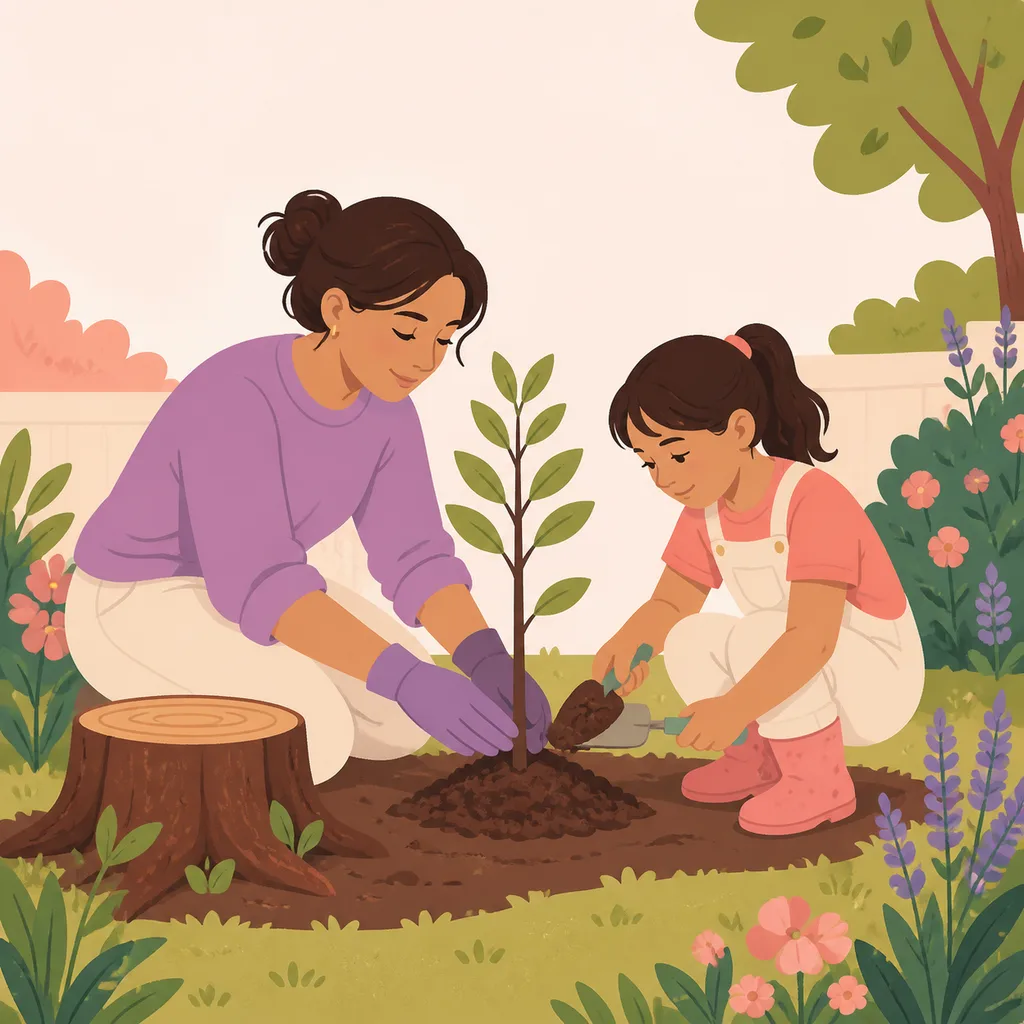
Regardless of the dynamics between the adults, it’s essential to foster and encourage healthy relationships between the children and their grandparents. Grandparents provide stability, unconditional love, and often serve as a bridge between the past and the present.
Make efforts to facilitate visits and ensure grandparents feel included in the children’s lives. This might mean sharing milestones, school updates, or even inviting them to extracurricular events. These small gestures can strengthen bonds and provide children with a sense of continuity.
Example: You might say to your coparent, “I’d like the kids to spend time with your parents this weekend. Let’s plan something that works for everyone.”
Dealing with Neutrality
Neutrality can sometimes be misinterpreted as indifference, but it’s often a well-intentioned effort to avoid conflict and maintain peace. Grandparents who choose to remain neutral may do so to protect their ability to be a stable presence for their grandchildren.
Rather than pressuring them to take a stance, focus on building mutual respect. Understand that neutrality doesn’t mean they don’t care—it’s their way of coping with a complex situation. If tensions arise, address them calmly and focus on finding solutions that prioritize the children’s needs.
Support Your Children
Children may feel confused or even anxious about how their relationships with extended family members will change post-divorce. Talk openly with your kids about their feelings and reassure them that their relationships with their grandparents remain important.
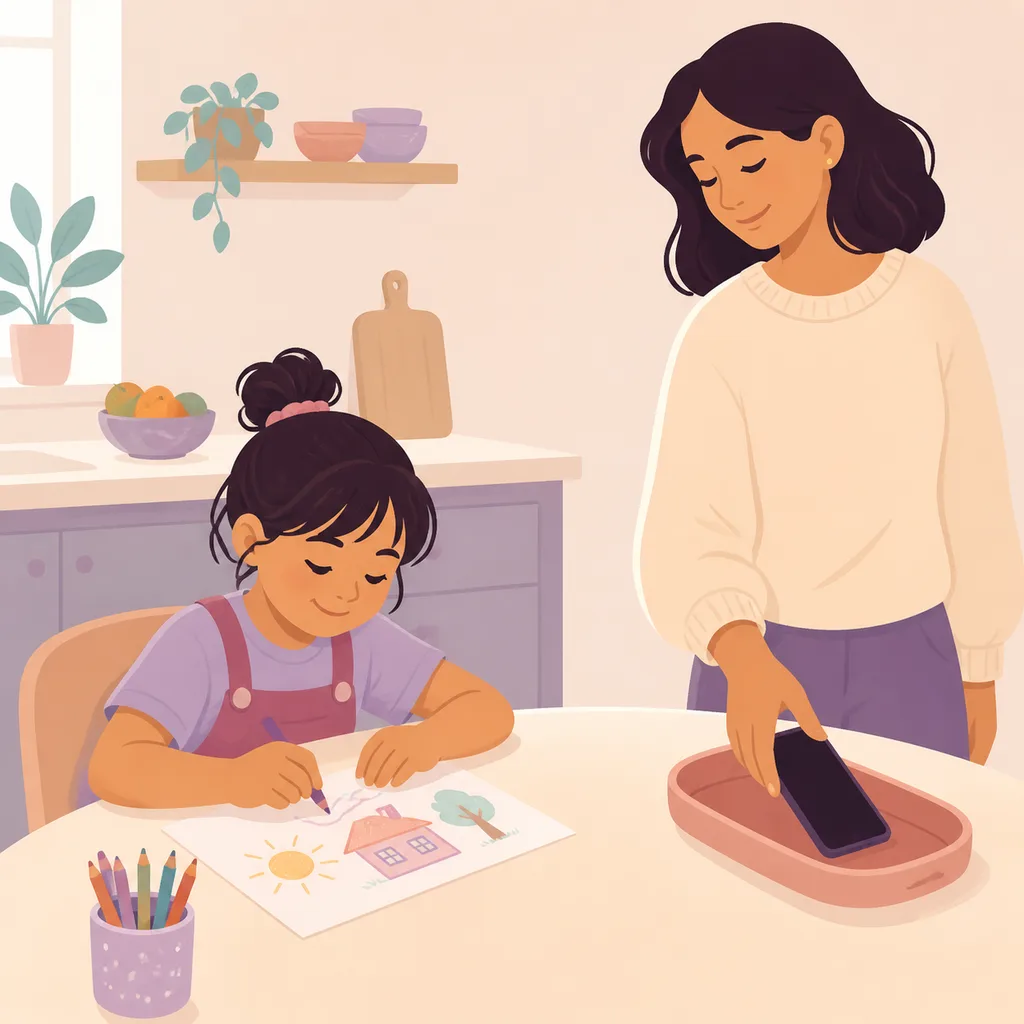
Encourage open communication between your children and their grandparents. Suggest writing letters, video calling, or sharing schoolwork and art projects. These actions help maintain a sense of connection, even if physical visits are less frequent.
Self-Care and Seeking Support
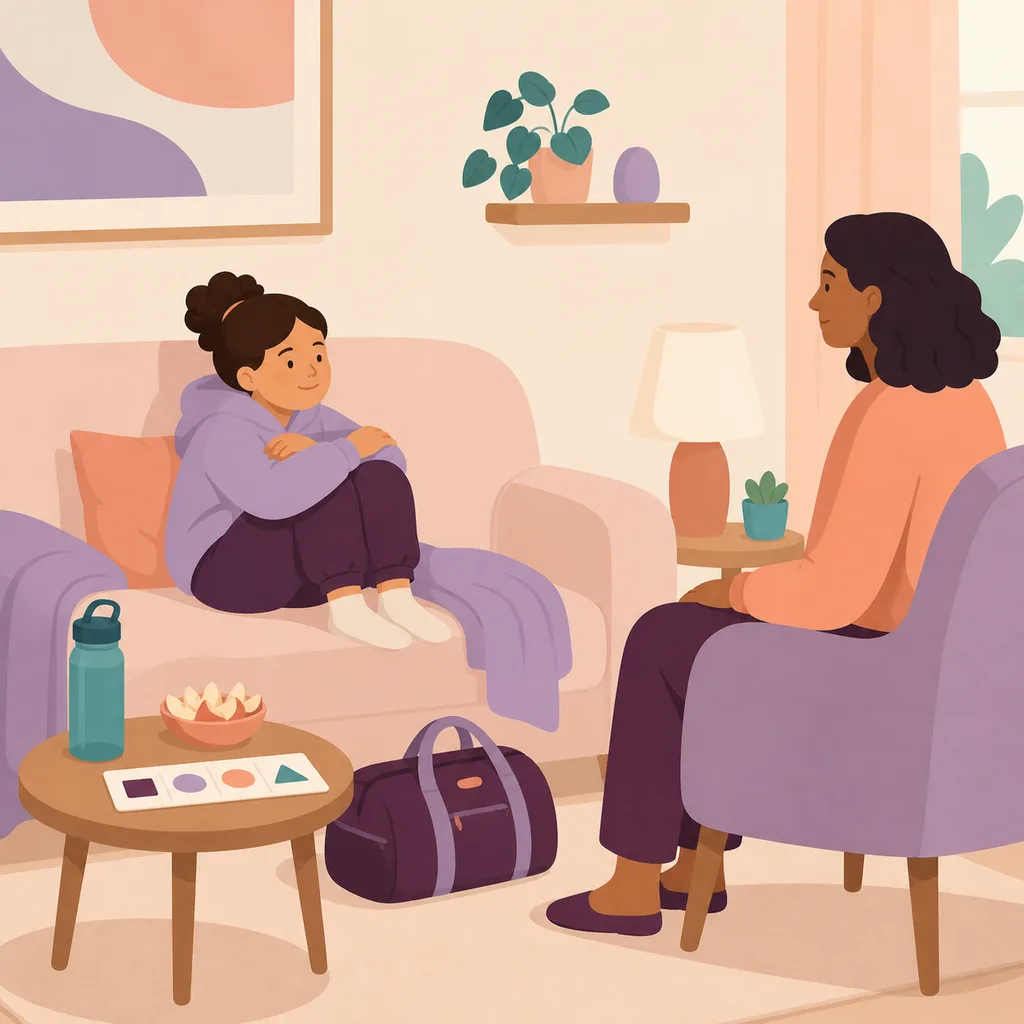
Navigating extended family dynamics during a divorce can be emotionally exhausting. It’s natural to feel frustrated or disappointed by how some relatives react. Make self-care a priority and lean on your own support system when needed.
Consider joining a divorce support group or seeking guidance from a therapist to process your emotions and develop healthy coping strategies. Having an outlet to share your feelings can help you stay calm and constructive when dealing with family members.
Be Patient
Time heals many wounds. Relationships with extended family members may feel strained in the immediate aftermath of a divorce, but with patience and effort, they can often improve. Grandparents and other relatives might need time to adjust to the new family structure before they feel comfortable resuming close involvement.
Reassure them that your primary goal is the well-being of your children and that their continued presence in the children’s lives is invaluable. Over time, actions will speak louder than words, and consistency will help rebuild trust.
Conclusion
Divorce is a transformative event for the entire family, including grandparents and extended relatives. Navigating these relationships with empathy and understanding is crucial for preserving the connections that mean so much to your children. By focusing on open communication, mutual respect, and the child’s best interests, you can help maintain these bonds and ensure your children continue to feel supported and loved by all sides of their family.
Further Reading
-
Splitopia: Dispatches from Today’s Good Divorce and How to Part Well by Wendy Paris: Offers a positive perspective on navigating divorce and its impact on the family.
-
Family Ties That Bind by Ronald W. Richardson: A guide to understanding and strengthening family relationships.
Remember, you’re navigating this not just for yourself but for your entire family. Stay strong and keep the lines of love and communication open!
Frequently asked questions
How does divorce affect grandparents?
Deeply, and it's often overlooked: grandparents grieve the family change, worry about access to grandchildren, and struggle with whether to stay neutral. Handled carelessly, those relationships strain or sever — recognizing their emotional struggle is the first step to preserving them.
Should kids keep seeing both sets of grandparents after divorce?
Yes, whenever it's safe and healthy — grandparent bonds are stability your children keep while much else changes. Protect those relationships on both sides, independent of your feelings about your ex's family.
How do I handle my ex's family after divorce?
Communicate openly but respect boundaries — yours and theirs. Don't demand they take sides; neutrality is a reasonable position for extended family. Keep interactions focused on the children, be patient while everyone recalibrates, and get support for your own feelings elsewhere.