Understanding ACEs and Their Role in Co-Parenting and Child Custody

ACEs — Adverse Childhood Experiences — measure early trauma, and they matter twice in custody: your child's ACE score reflects what the conflict is costing them, and your own ACE history shapes how you parent under stress. Know your score, understand the link, and parent to change the legacy.
Have you ever wondered how your childhood shapes your parenting? Or how your divorce might affect your child long-term? The answer might lie in a powerful tool called the ACE score—a way to measure Adverse Childhood Experiences.
What Is an Adverse Childhood Experience?
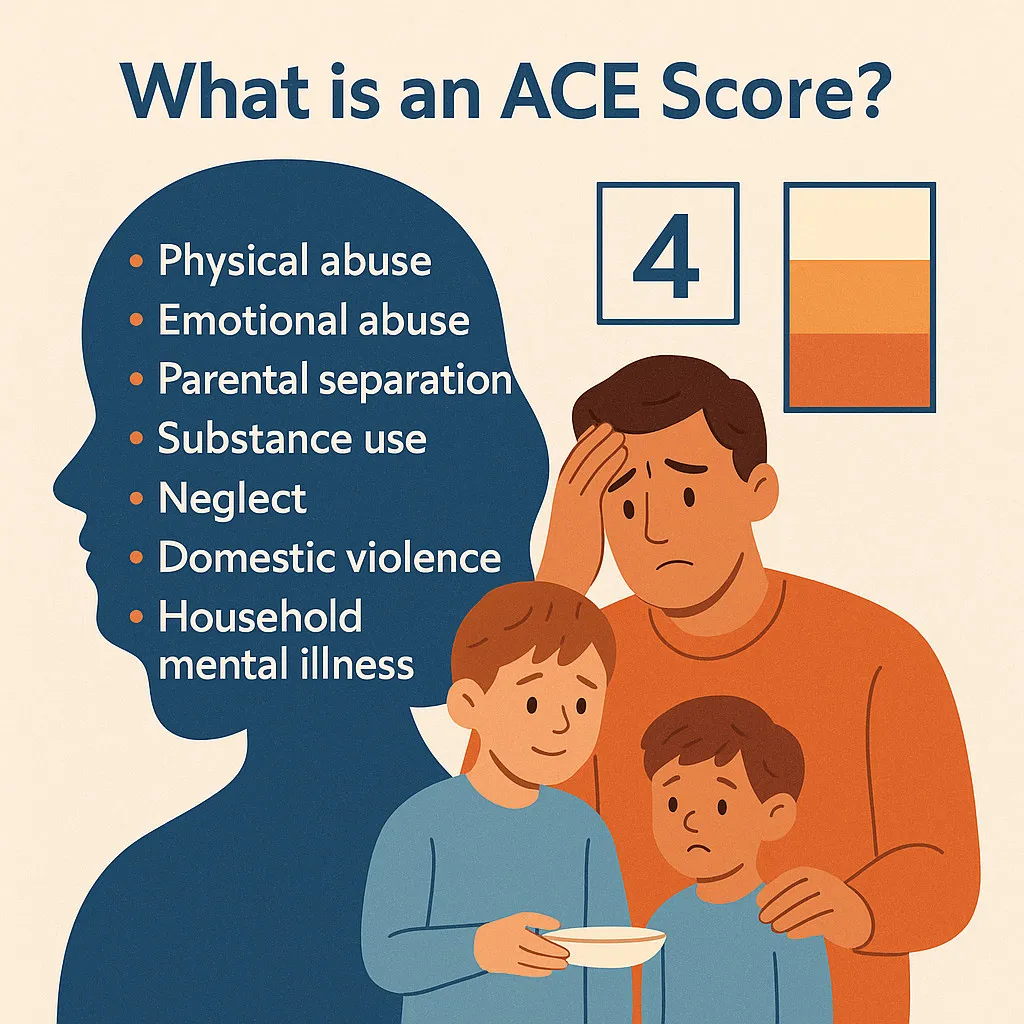
An Adverse Childhood Experience (ACE) refers to a potentially traumatic event that occurs in early childhood, such as abuse, neglect, or household dysfunction. These experiences can disrupt development and increase the risk of long-term health problems—both physical and emotional.
The original ACES Study, conducted by the Centers for Disease Control and Prevention (CDC) and Kaiser Permanente, identified 10 major ACEs. These include:
- Physical, emotional, or sexual child abuse
- Emotional or physical neglect
- Parental separation or divorce
- Domestic violence
- Substance use in the household
- Incarcerated household member
- Household mental illness
Each event adds to a person’s ACE score. A higher ACE score is associated with a greater risk of issues in adulthood, from mental health challenges to chronic disease.
Why Your Child’s ACE Score Matters in Child Custody
Parental separation or divorce—even when peaceful—is counted as one ACE. That means children of divorced parents (which as coparents, many of us are) automatically begin with a score of 1.
But if your co-parenting relationship involves conflict, parental mental health struggles, or exposure to childhood adversity, that score may climb. And the consequences are significant: children with 4 or more ACEs are far more likely to develop mental health problems, struggle in school, and face adverse outcomes well into adulthood.
This has major implications in child custody decisions. Courts are increasingly considering the effects of ACEs and parenting behaviors when assessing what’s best for the child.
The Influence of Parental ACEs
Your child’s risk isn’t only based on what they’ve experienced—it’s also influenced by your ACE history.
Multiple studies, including those from the School of Public Health, show a positive association between a parent’s ACE score and their current parenting practices. Higher parent ACE scores often correlate with increased emotional distress scores, aggravation in parenting, and less responsive caregiving.
One study even found that the relationship of childhood abuse and household dysfunction in parents was linked to behavioral challenges in their children—even when the children had not experienced abuse themselves.
This is known as the intergenerational transmission of ACEs—the idea that adverse experiences in one generation affect the next. Children of parents with three or more ACEs often have a higher ACE score themselves, simply due to environmental stress and mental health challenges passed down.
Health Problems Linked to ACEs
Adverse childhood experiences are associated with long-term health problems, including:
- Depression and anxiety
- Obesity
- Substance use disorders
- Chronic illness (e.g., heart disease, diabetes)
These risks aren’t just about the number of ACEs. The specific ACEs matter too. For instance, childhood experiences of abuse combined with parental divorce tend to have a stronger impact than either alone.
How Parenting Behaviors Reflect ACE Histories
The aggravation in parenting scale, a measure of frustration and perceived difficulty in parenting, is significantly higher among parents with 4 or more ACEs.
These dimensions of parenting can affect not only day-to-day family life but also custody decisions and the emotional climate your child grows up in. Studies show that mothers’ and fathers’ parenting behaviors shift when their ACE scores are elevated, with increased emotional volatility and inconsistency.
Exploring Parental Adverse Childhood Experiences
The intergenerational effects of ACEs have been extensively documented through tools like the PSID Childhood Retrospective Circumstances Study. These studies confirm that children whose parents experienced high ACE scores tend to have more behavioral and emotional difficulties.
Some highlights:
- 9 ACEs in a parent significantly raise the risk of child adversity.
- Either parent’s ACE count—even if the other parent has none—can impact a child’s development.
- Associations between parents’ ACEs and their children’s mental health and coping strategies are strong, especially when parental mental health goes untreated.
Mental Health and the Path Forward
Understanding your ACE score (co-parenting ace scores) and how it shapes your mental health and parenting behaviors isn’t about blame—it’s about awareness.
If you’re navigating a high-conflict co-parenting relationship, or struggling with the aftermath of your own childhood trauma, resources like the BestInterest app can help. Our tools support calmer communication, reduce conflict, and protect kids from witnessing emotional harm—lowering the potential impact of ACEs.
And healing is possible. Research shows that safe, stable, and nurturing relationships buffer the consequences of ACEs—even for children with high ACE scores.
Final Thoughts: Know Your ACE, Change Your Legacy
ACE scores in parents don’t have to define the future. What matters is what you do with that knowledge.
Whether you’re dealing with mental health issues, co-parenting stress, or a tough childhood yourself, you have tools available. Therapy, peer support, intentional parenting behaviors, and AI-powered tools like BestInterest can help you break cycles and build something better.
Don’t just count ACEs. Start countering them—one healthy choice at a time.
Frequently asked questions
What is an ACE score?
A count of Adverse Childhood Experiences — potentially traumatic early-childhood events like abuse, neglect, or household dysfunction. Higher scores correlate with health and mental-health risks across life, which is why ACEs became a standard lens for understanding childhood stress.
Why do ACEs matter in custody and co-parenting?
Twice over: ongoing parental conflict adds to your child's ACE load, so how you co-parent directly shapes their score. And your own ACE history influences how you parent under stress — patterns repeat until they're seen and interrupted.
Can I change the impact of my own ACEs on my parenting?
Yes — that's the point of knowing your score. Awareness plus support (therapy, trauma education, deliberate parenting practices) interrupts the inheritance: understanding what shaped your stress responses is what lets you give your child a different legacy.