
The #1 Mistake Divorced Parents Make—And How to Fix It with Donald A. Gordon
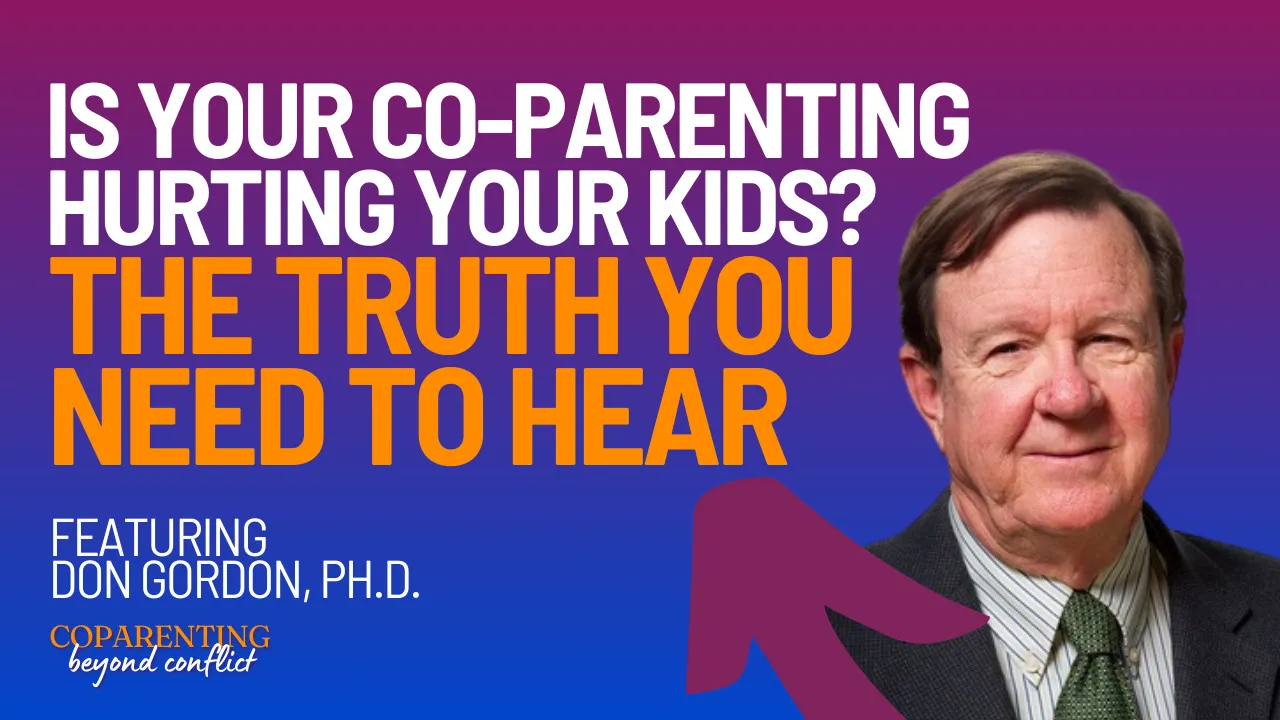
In a recent episode of Coparenting Beyond Conflict, I sat down with Dr. Donald A. Gordon, Executive Director of the Center for Divorce Education and a seasoned clinical psychologist. With over 40 years dedicated to assisting families through divorce and conflict, Dr. Gordon brings a wealth of knowledge and experience to the table. In this enlightening episode, Dr Gordan delves into the complexities of co-parenting, exploring the tools and strategies that can transform challenging dynamics into opportunities for growth and understanding.
Watch the episode and clips
From Delinquency Prevention to Co-Parenting Education
Dr. Gordon’s journey into the field of family therapy and co-parenting education was spurred by his professional and personal experiences. Observing the absence of biological fathers in families of juvenile delinquents during his early career highlighted a significant risk factor for delinquency, prompting him to develop educational programs aimed at enhancing father involvement post-divorce.
Additionally, his own experiences navigating a high-conflict divorce provided firsthand insights into the pitfalls of parental conflict, further motivating him to create supportive structures for divorcing parents. These programs focus on reducing loyalty conflicts — a major stressor for children of divorced parents — by educating parents on the detrimental impact of using children as messengers or speaking negatively about the other parent in front of the child.
Dr. Gordon explains the genesis of his mission:
“We noticed that in almost all these families, the biological father wasn’t present… I figured if we want to prevent delinquency, we should make sure that when the parents split up, the father stays involved.”
Techniques to Mitigate Conflict and Foster Communication
Throughout our conversation, Dr. Gordon emphasizes the importance of parental awareness and behavior modification to prevent children from being caught in loyalty binds. He shares practical advice on recognizing and altering behaviors that may inadvertently harm the children involved. Techniques such as “I” messages, active listening, and self-talk are discussed as methods to improve communication between co-parents, reducing the likelihood of misunderstandings and conflicts.
“We teach the parents to give their children permission to speak up when they feel caught in the middle,” Dr. Gordon shares, highlighting a key strategy to empower children to express their feelings responsibly and safely.
Dr. Gordon also addresses the role of technology in co-parenting, highlighting the benefits and challenges posed by electronic communication. He expresses interest in integrating AI technology like BestInterest to help monitor and improve digital interactions between co-parents, ensuring that communications remain constructive and supportive.
Supporting Children Through Parental Separation
A poignant part of the episode focuses on the emotional toll that parental conflict can take on children. Dr. Gordon stresses the impact of such conflicts on children’s cortisol levels, which can affect their emotional regulation and academic performance for days. By providing parents with strategies to reduce exposure to conflict and encouraging children to express their feelings about being caught in the middle, his programs aim to mitigate these adverse effects.
“Parents are surprised to learn about the cortisol effect… They haven’t been aware of what impact it had,” Dr. Gordon notes, underscoring the importance of educating parents about the physiological responses children have to conflict.
Looking Ahead: Resources and Advice for Co-Parents
Dr. Gordon shares several resources for co-parents seeking guidance. His programs, including Children in Between and High Conflict Solutions, offer structured educational content to help parents navigate the complexities of co-parenting. He also introduces a new initiative aimed at reducing family stress, which promises to equip families with additional tools to handle the pressures of modern life.
FAQ: Expert Insights from Dr. Donald Gordon
Who is Dr. Donald A. Gordon?
Dr. Donald A. Gordon is a clinical psychologist and the Executive Director of the Center for Divorce Education. He is best known for creating the Children in Between program, an evidence-based parenting course often mandated by family courts to help reducing the stress of divorce on children.
What is the ‘Children in Between’ program?
Children in Between is an educational program designed to teach divorced or separated parents how to reduce conflict and prevent their children from feeling caught in the middle (loyalty conflicts). The course focuses on practical communication skills to shield children from the harmful effects of parental arguments.
How does parental conflict affect a child’s health?
According to Dr. Gordon, high-conflict interactions between parents can spike a child’s cortisol levels (the stress hormone). This physiological stress response can impair emotional regulation and academic performance for days after the conflict occurs, even if the child wasn’t directly involved in the argument.
What is a loyalty conflict in co-parenting?
A loyalty conflict occurs when a child feels pressured to choose sides between their parents. This often happens when one parent speaks negatively about the other or uses the child as a messenger. Dr. Gordon’s programs teach parents how to give children “permission” to love both parents freely, which is crucial for their long-term mental health.
Wrapping Up
This episode not only highlights effective strategies for healthier co-parenting but also underscores the importance of compassionate and informed interventions in the lives of families navigating divorce. Dr. Gordon’s dedication to improving the co-parenting landscape is evident, and his programs continue to make a significant difference in the lives of countless families.
For more insights and resources from this episode, visit CoparentingBeyondConflict.com and check out the show notes for links to all the mentioned resources, or watch the full episode on YouTube.
Even if you are dealing with a high-conflict coparent, healthier co-parenting starts with education and self awareness. Whether you’re facing minor disagreements or navigating high-conflict coparenting, there’s always a pathway to improvement.