Family Court Injustice: How the Family Court System Fails Trauma Survivors
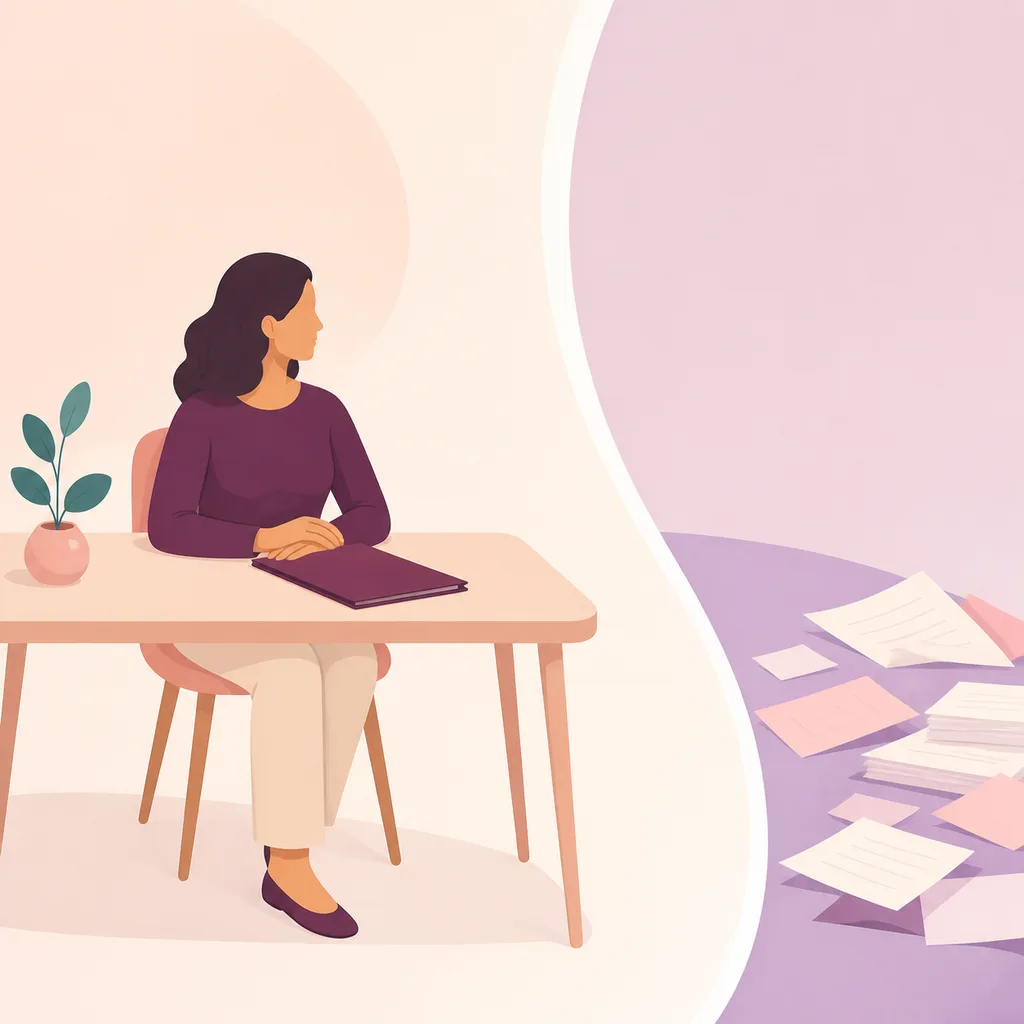
Family court routinely misreads trauma responses, penalizing survivors who present as anxious while rewarding composed abusers. The fixes are structural: trauma-informed training for judges, expert testimony, rejecting one-size-fits-all custody assumptions, and support tools for survivors navigating the system as it is.
The family court system, designed to resolve family law conflicts and prioritize the best interests of the child, often falls tragically short when it comes to trauma survivors and victims of domestic violence. For many, the experience of family court only compounds the pain of abuse, misreading trauma responses, and making harmful decisions that endanger both survivors and children.
Family Court Misunderstands Trauma Responses
Survivors of domestic abuse and child custody litigants often suffer from Complex PTSD (CPTSD). In court proceedings, trauma responses like hypervigilance, emotional shutdown, or panic can be misinterpreted by family court judges as signs of instability or unreliability. Meanwhile, an abuser who appears calm and collected in the courtroom may be wrongly perceived as rational and safe.
This emotional misreading is particularly damaging in domestic violence cases, where court judges may grant custody or unsupervised visitation to abusers while punishing survivors for their visible trauma.
Injustice in the Family Courtroom
- DARVO and Manipulation: Abusers use tactics like DARVO (Deny, Attack, Reverse Victim and Offender) to exploit the court’s misunderstanding of abuse dynamics.
- Neutrality over Safety: The court’s emphasis on neutrality treats both parents as equally credible, even in abuse and neglect situations.
- Misplaced Priorities: Without understanding trauma-informed practices, court staff, judges and court officials often prioritize procedural timelines over child safety and survivor protection.
The result is a deeply flawed legal system that allows abuse to continue under the guise of fairness and shared parenting.
Structural Failures in the Family Court System
The justice system is not designed with trauma survivors in mind. Here are some key failures:
- Lack of Trauma Training: Most family court personnel lack education about neglect and abuse, trauma, or domestic violence survivors.
- Outdated Assumptions: Ideas like automatic 50/50 custody or preserving relationships with both parents can endanger children when one parent is abusive.
- Lack of Access to Justice: Many survivors, especially those living in poverty, face court hearings without legal representation or free legal assistance.
- Harm to Litigants: The lack of accountability in the civil or criminal branches of the court leads to serious harm to litigants and their families.
- Racial Inequity in Family Court: Families from marginalized communities, immigrant families, and those lacking financial resources face disproportionate harm.
How This Affects Families and Children
- Children’s Rights Ignored: The emotional safety and well-being of children is often sidelined.
- Re-traumatization: Survivors are forced to relive abuse, sometimes daily, through court orders or mandated contact.
- Abusers Empowered: A lack of trauma awareness gives abusers more power in custody cases.
This is more than a policy issue—it’s an ongoing crisis affecting families and children across the nation, from New York family court to state family courts nationwide.
The Best Interest Standard Isn’t Always Best
While the “best interest of the child” is supposed to be the guiding principle, the integrity of the judicial system is compromised when family court fails to recognize emotional abuse, coercive control, and long-term trauma. These oversights often enable the very dynamics that cause family separation.
Solutions: What Needs to Change in Family Law
1. Trauma-Informed Training for Family Court Judges
Family law cases must include mandatory training for all legal professionals on CPTSD, trauma, and domestic violence.
2. Use of Expert Testimony
In high-conflict or abuse situations, courtrooms should rely on expert psychological evaluations and trauma professionals.
3. Reject One-Size-Fits-All Custody Assumptions
Not every case should default to equal parenting time. In abusive situations, safety—not “equality”—should lead.
4. Support Tools for Survivors
Apps like BestInterest help survivors document abuse, reduce contact, and protect their due process rights while co-parenting. They also:
- Filter harmful messages
- Offer AI-powered co-parenting guidance
- Provide court-admissible records
- Reduce emotional distress
5. Restructure the System
Change must come from within the department of justice, health and human services, and advocacy groups like the National Parents Organization that understand both fathers’ rights and children’s rights.
Frequently Asked Questions (FAQs)
What is the biggest problem with the family court system?
The biggest issue is emotional illiteracy. Family court professionals often fail to understand how trauma affects behavior, leading to dangerous misinterpretations of survivors’ actions.
Can family court handle domestic violence cases fairly?
Not without reform. Without trauma training and access to psychological experts, the family court system often grants access to abusers while re-traumatizing survivors.
How can I protect myself in family court as a survivor?
Use tools like BestInterest to maintain structured communication, keep records, and reduce conflict. Seek legal representation and trauma-informed support whenever possible.
Why is equal parenting not always safe?
When one parent is abusive, equal parenting puts the child and survivor at risk. The best interests of the child should prioritize safety over fairness.
What is the end of family court?
Some advocates call for the end of family court as we know it—replacing it with trauma-informed, health-centered alternatives that protect parents and children rather than perpetuate harm.
Conclusion: Toward a Just and Safe Family Court System
The family court system is failing many of the most vulnerable families it’s meant to protect. Through a combination of lack of access to justice, racial inequity in family courtrooms, and outdated assumptions about family problems, the system often causes more harm than good.
To truly serve the best interests of the child, we need a legal system that understands trauma, values safety, and holds all parents—not just survivors—to the same standard of accountability.
Until then, families will continue to suffer at the hands of a family court system that doesn’t understand them—and doesn’t listen.
If you’re a survivor navigating child custody, child support, or high-conflict family law matters, the BestInterest app was built with your safety and peace in mind.