
Ramani Durvasula on Narcissism, Co-Parenting, and Healing After Narcissistic Emotional Abuse
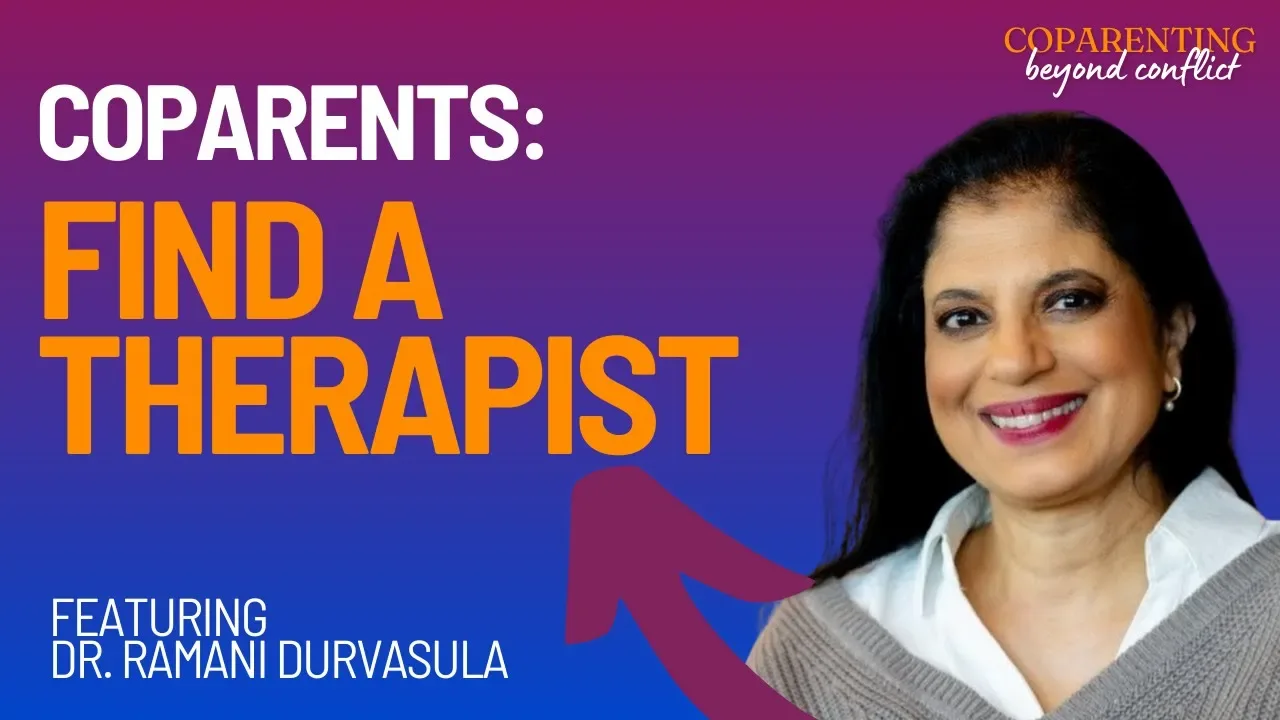
When you’re dealing with a narcissist, clarity often feels just out of reach. The gaslighting, the entitlement, the emotional abuse—these patterns can make you question everything, especially your parenting. I recently sat down with the brilliant author and licensed clinical psychologist Dr. Ramani Durvasula to talk about narcissism, narcissistic personality traits, and how to survive a relationship with a narcissist when you have children together.
This episode is for every parent navigating post-separation abuse, emotional dysregulation, and the exhaustion that comes from trying to co-parent with someone motivated by power, control, and a lack of empathy. Dr. Ramani’s insights are compassionate, practical, and grounded in over 30 years of clinical experience.
Watch the episode and clips
Recognizing a Narcissist: It’s Not All Bad All the Time
Dr. Ramani explains why recognizing a narcissist isn’t always straightforward. “There are actually what feel like a lot of good moments,” she said. That’s what makes narcissistic behavior so confusing. Narcissistic people may love bomb you, appear charming, and even seem collaborative—until they don’t get their way.
In a relationship with a narcissist, you may find yourself constantly trying to decode their moods, explain their entitlement, or justify your own sanity. “People blame themselves,” Ramani told me. “But these are parents who are often doing many things right.”
“Closure is a human need,” she explained, “but when you’re dealing with someone lacking self-reflective capacity, you’re unlikely to get the explanations or apologies you seek.” Instead, she encouraged listeners to grieve the absence of closure and focus on conserving emotional energy for what truly matters: your child’s well-being.
Narcissistic Co-Parenting? Think Parallel Parenting Instead
One of the most important takeaways from the conversation was the distinction between co-parenting and parallel parenting. While traditional co-parenting assumes a cooperative relationship, Dr. Ramani argued that it’s often unrealistic with a high-conflict or narcissistic ex.
The phrase “co-parenting” implies collaboration. But as Dr. Ramani put it, “Parallel parenting gets at this idea of you doing your part, they’re doing their part—and that’s it.”
In narcissistic relationships, one parent often carries the emotional and logistical burden. They’re the one making sure the homework is done, the doctor appointments are scheduled, the cleats are packed. It’s unfair—and it’s real.
Ramani urges parents to stay child-centered, even when it feels like you’re the only one playing by the rules: “You’ve got to have your eye clearly on what’s going to lead to the best possible outcome for your children.”
Dr. Ramani acknowledged that parallel parenting often feels unfair—especially when one parent ends up doing the bulk of the emotional and logistical work. However, she stressed that maintaining a consistent, empathetic, and structured environment in your household can help mitigate the impact of inconsistencies in the other home.
The Era of Narcissism: Why It’s Getting Harder to Co-Parent
We also touched on a broader issue: we’re living in what Ramani has called an era of narcissism—where narcissistic traits like grandiosity, entitlement, and lack of empathy are not just normalized but rewarded. In high-conflict divorces, narcissistic individuals may manipulate the legal system, charm evaluators, or engage in post-separation abuse with shocking ease.
Narcissistic personality disorder isn’t always diagnosed, but the behavior patterns—emotional volatility, constant gaslighting, weaponized victimhood—are impossible to miss once you know what you’re looking for. That’s why Ramani Durvasula talks about the importance of educating both professionals and the public about how narcissism impacts parenting.
When the Child Becomes the Battlefield
Another heartbreaking reality? Narcissistic parents often triangulate the child—either to maintain control, exact revenge, or simply feed their need for admiration. As Dr. Ramani explained, “Children are loyal. They’re wired for attachment. And that makes them incredibly vulnerable to narcissistic behavior.”
In these dynamics, a healthy parent may get the brunt of the child’s dysregulation—not because they’re doing anything wrong, but because the child feels safe enough to fall apart in front of them. It’s one of the most misunderstood dynamics in family court and among well-meaning onlookers.
No Closure, No Peace? How to Heal Without Answers
One of the most powerful parts of our conversation was about closure. Dr. Ramani explains: “You’re not going to get closure. And that’s one more grief to recognize.”
People in narcissistic relationships often ruminate on why things happened the way they did. Why did they lie? Why did they cheat? Why can’t they co-parent like a decent human being?
The answer, Ramani says, lies in understanding narcissistic personality disorder: “They lack self-reflective capacity. If that capacity had been there all along, you probably wouldn’t be in this situation.”
Boundaries in Narcissism Dynamics? Yes. But Internal Ones.
Dr. Ramani clarified that setting boundaries with a high-conflict co-parent is often futile. “Antagonistic co-parents won’t honor boundaries,” she said.
Many people dealing with a narcissist hear advice like “just set boundaries.” But Dr. Ramani reframes that: “You cannot set boundaries with someone who will not honor them. But you can set internal boundaries—things you control yourself.”
That includes what you respond to, what you ignore, and how you protect your peace. Codify what you can in your parenting plan. Choose your battles wisely. Keep the communication factual and minimal.
Codifying agreements in a legal parenting plan can help establish clearer expectations, but Dr. Ramani warned against giving your ex a “roadmap” to push your buttons. Instead, she recommended working with a therapist to identify and manage your triggers, fostering personal growth and resilience.
Emotional Fallout and the Need for Support
Dr. Ramani doesn’t sugarcoat the emotional toll: “There’s no perfect path forward here. Only the one with the least fallout.”
She encourages co-parents to invest in mental health care—not because something is “wrong” with them, but because they’re navigating something profoundly unfair. “Having a validating voice can help you stay grounded. It reminds you: You’re not crazy. This is just a really messed-up situation.”
How BestInterest Helping Shift the Narrative
I also asked Dr. Ramani what drew her to become an advisor to BestInterest, our co-parenting app. Her answer? “It was like the communication decoder ring I’ve always wanted.”
She described how narcissistic communication often buries facts beneath rage, cruelty, or manipulation. “You just want to know what time ballet pickup is. But the message you get is two pages of vitriol.”
BestInterest uses AI to separate fact from emotional manipulation. You can read the clean version first—and revisit the original in a safe space, like your therapist’s office, if needed.
“This app is like a communication decoder ring,” Dr. Ramani said. “It strips the hostility out of messages, helping you stay focused on the facts and keep your peace of mind.”
For co-parents navigating high-conflict situations, BestInterest offers tools to document interactions, maintain neutrality, and foster a child-centered approach.
Practical Self-Care for Co-Parents
Self-care is a vital but often misunderstood aspect of managing high-conflict co-parenting. Dr. Ramani encouraged listeners to find support through therapy, support groups, and trusted friends.
“Use the time your kids are with your ex to recharge,” she advised. “Take a class, volunteer, or simply enjoy the quiet. These moments are opportunities to rebuild your sense of self outside the conflict.”
Dr. Ramani also warned against oversharing on social media, as it can provide ammunition for antagonistic exes. Instead, she recommended maintaining privacy and focusing on activities that promote healing and personal growth.
Final Thoughts from Psychologist Dr. Ramani Durvasula
While high-conflict co-parenting is undeniably difficult, Dr. Ramani emphasized that it also presents opportunities for growth. By focusing on what you can control, seeking support, and prioritizing your child’s well-being, you can navigate this challenging terrain with resilience and grace.
“There’s no magical thing you could have done differently,” she said as we wrapped. “You can only manage your side of the street. And if you do that well, with empathy, consistency, and clarity—you’ve already given your children so much.”
To hear the full interview with Dr. Ramani and gain more insights into managing high-conflict co-parenting dynamics, listen to the episode at Co-Parenting Beyond Conflict, available on all major podcast platforms.